





Improving Software for Society
News | Blog Post : THE FIRST COMPUTER MOUSE
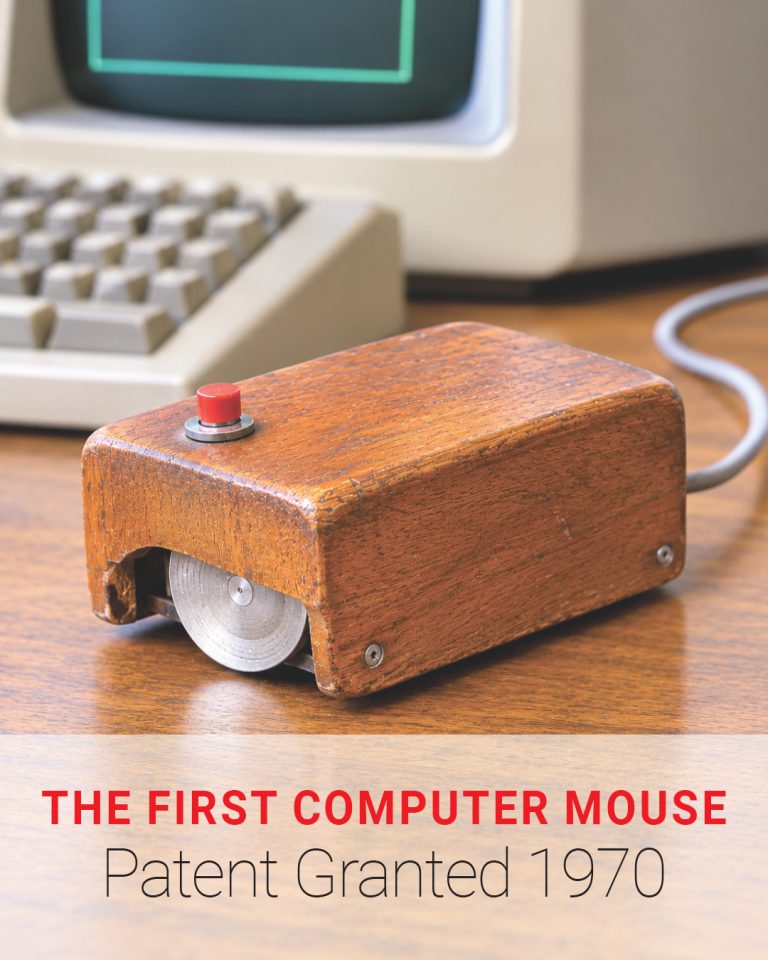
THE FIRST COMPUTER MOUSE
24.11.2026
The Invention of the Computer Mouse
An Invention That Changed Computing
Long before wireless mice, optical sensors and touchpads, the world’s first computer mouse was made from a small block of wood. Created in 1964, this unusual-looking device helped lay the foundations for the way we interact with computers today.
The idea came from American computer pioneer Douglas Engelbart, who was working at the Stanford Research Institute (SRI) in California. He wanted to find a simpler way for people to communicate with computers and move information around on a screen.
At the time, computers were largely operated using keyboards and complicated commands. Engelbart believed there needed to be a more intuitive way to control a computer’s on-screen cursor.
Made from Wood and Metal
The first prototype was built in 1964 by SRI engineer Bill English, working from Engelbart’s ideas. It consisted of a small, hand-held wooden box containing two metal wheels positioned at right angles to one another. As the device moved across a flat surface, the wheels measured movement in two directions, allowing the computer to translate this into cursor movement.
It had just one button and a cable connecting it to the computer. Its appearance was rather different from the smooth, ergonomic devices we use today.
The name ‘mouse’ came from its shape and the cable trailing behind it, which resembled a mouse’s tail.
An Invention That Stood the Test of Time
Engelbart applied for a patent in 1967, which was granted in 1970. The invention was publicly demonstrated in 1968 during his famous presentation, later nicknamed the ‘Mother of All Demos’.
Although it took many years for computer mice to become commonplace, this humble wooden invention helped transform personal computing and remains one of the most recognisable pieces of computer technology ever created.
Want to know more?
The Doug Engelbart Institute: The History of the Mouse
Computer History Museum: The Mouse
SRI International: The Computer Mouse and Interactive Computing
